
Soderberg Electrode Paste for Submerged Arc Furnaces
For submerged arc furnaces (SAF) · Self-baking electrode systems
JY Carbon kneads and forms electrode paste in-house for ferroalloy, calcium carbide, and silicon metal furnaces. Grade selection is based on furnace type, electrode dimensions, alloy process, and agreed test targets. Each batch is checked for ash, resistivity, volatile matter, fixed carbon, and agreed strength indicators before shipment.
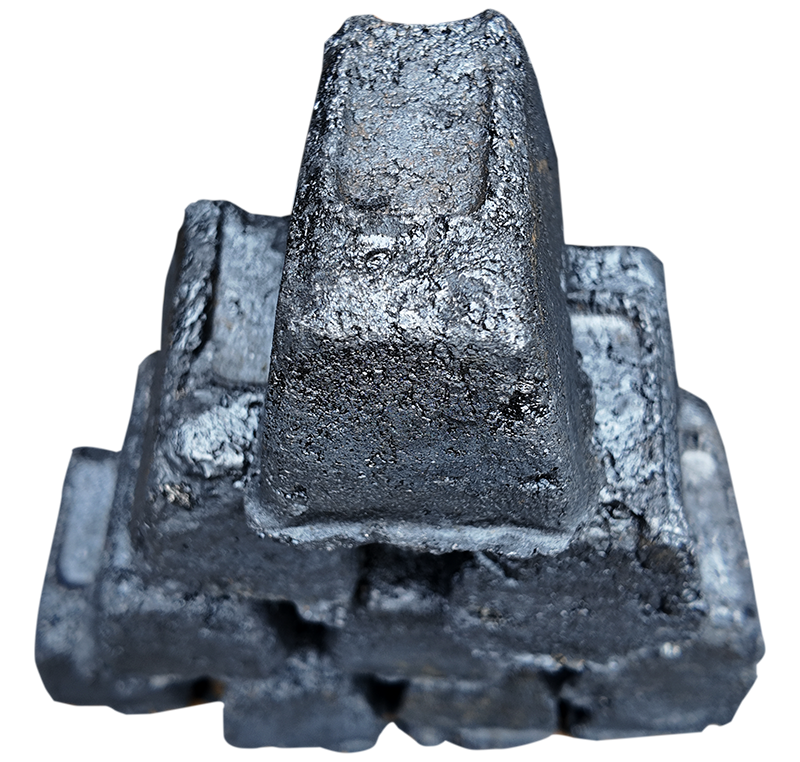
Electrode Paste Applications in Submerged Arc Furnaces
Ferroalloys
For ferrosilicon, silicomanganese and ferrochrome furnaces. Grade selection should consider the alloy process, furnace load, electrode dimensions and the plant's target test values.
Calcium Carbide
For calcium carbide furnaces using self-baking electrodes. Paste selection should be reviewed against electrode dimensions, operating conditions and agreed electrical and baking requirements.
Silicon Metal
For silicon metal furnaces where ash limits and electrical behavior must align with the furnace design, electrode operation and the customer's approved specification.
Other SAF Applications
For ferronickel and other SAF applications. Send the furnace type, alloy process, electrode dimensions and target indicators for a technical fit review before grade confirmation.
Key Parameters for Electrode Paste Selection
Electrode paste selection should not rely on a single value. Ash content, electrical resistivity and baked compressive strength are reviewed together with furnace conditions and batch inspection results.
≤ 3.0%
Ash Content
Target for Closed Paste Grade 1. Other grades use different ash limits; final acceptance follows the agreed TDS and batch COA.
≤ 60 μΩ·m
Electrical Resistivity
Target for Closed Paste Grade 1. Other grades use different resistivity limits; final acceptance follows the agreed TDS, test method and batch COA.
≥ 18 MPa
Baked Compressive Strength
Minimum target for the closed-paste grades shown below. Final acceptance follows the agreed TDS, test method and batch COA.
ELECTRODE PASTE GRADE OPTIONS
What should you check before comparing electrode paste suppliers?
Start with your furnace requirements and a batch-specific certificate of analysis (COA). Check the product designation, sample condition, test method, units and agreed acceptance limits before comparing reported values. A product data sheet describes the grade; the batch COA should identify the material supplied.
- Product and batch: match the product designation and batch reference to package identification.
- Sample basis: confirm sampling and preparation, including whether the result refers to raw paste or a prepared test specimen.
- Test method: compare methods, units and relevant test conditions for each property.
- Acceptance: distinguish actual batch results from specification limits and typical reference values.
- Traceability: check that the certificate, inspection record and shipped packages refer to the same material.
See how batch records support an electrode paste COA. Use the grade table below as a preliminary discussion guide. Final selection also depends on furnace type, transformer capacity, electrode dimensions, alloy process and operating conditions.
| Parameter | Closed Paste Grade 1 |
Closed Paste Grade 2 |
Standard Paste Grade 1 |
Standard Paste Grade 2 |
|---|---|---|---|---|
| Application | >35 MVA Closed SAF High-Purity Silicon |
16.5–35 MVA Closed SAF |
Semi-Closed & Medium Open SAF |
Small Open SAF |
| Fixed Carbon | ≥ 83% | ≥ 82% | ≥ 78% | ≥ 76% |
| Ash Content | ≤ 3.0% | ≤ 4.0% | ≤ 6.0% | ≤ 8.0% |
| Volatile Matter | 11–14% | 11–14% | 11–15% | 12–16% |
| Resistivity | ≤ 60 μΩ·m | ≤ 65 μΩ·m | ≤ 75 μΩ·m | ≤ 85 μΩ·m |
| Compressive Strength | ≥ 18 MPa | ≥ 18 MPa | ≥ 22 MPa | ≥ 22 MPa |
Batch Control from Formulation to Shipment
JY Carbon controls raw material selection, formulation, ratio management, kneading and forming in-house. Calcined raw materials are sourced or processed through qualified partners and checked against agreed requirements. Each finished-paste batch is identified, sampled and inspected against the approved specification before shipment.
- Raw material and calcined-material requirements
- Formulation and ratio records
- Kneading and forming process control
- Batch sampling and final inspection
- COA and third-party inspection when agreed
- Batch identification and shipment release records
FORMS & EXPORT PACKAGING
BRIQUETTES, BLOCKS & CYLINDERS
Jumbo Bags & Container Loading
Jumbo bags, pallets and container-loading arrangements are confirmed according to paste form, order volume, storage requirements and destination port. Moisture-protection options are agreed before shipment.
Furnace-Matched Specifications and Export Supply
Quotation is prepared after confirming furnace parameters, target grade or specification, order quantity, packaging form and destination port.
Specification Inputs
- Electrode size: casing ID or electrode diameter
- Furnace type: open, semi-closed, or closed SAF
- Application: ferroalloy, calcium carbide, silicon metal, or other SAF
- Key targets: ash, resistivity, volatiles, fixed carbon, strength
- Paste form: briquette, block, cylinder, or custom shape
- Order details: quantity, shipment date, and destination port
Supply & Documentation
- Capacity: confirmed by grade and order volume
- Lead time: confirmed after grade, quantity, and port review
- Packaging: jumbo bags, pallets, or container loading
- Documents: batch COA, TDS, packing list, and export documents
- Shipping ports: Tianjin or Qingdao
- Inspection: customer standard or third-party check as agreed
Electrode Paste FAQ
How should an electrode paste grade be selected?
Grade selection should consider furnace type, transformer capacity, electrode dimensions, alloy process, operating conditions and target test values. The final grade and acceptance limits should be confirmed in the agreed TDS or contract.
Which electrode paste parameters should be confirmed?
Confirm ash content, fixed carbon, volatile matter, electrical resistivity and baked compressive strength against the furnace application and agreed specification. For each reported value, check the units, sampling basis, specimen preparation and test method. Do not compare results from different sample states or methods as if they were equivalent. The batch COA should identify the supplied material and distinguish measured results from acceptance limits.
Which paste forms and packaging options are available?
Blocks, briquettes and cylinders can be discussed according to the charging method. Packaging and container-loading arrangements are confirmed by product form, order quantity, storage requirements and destination port.
What information is needed for a quotation or technical review?
Please provide the furnace type, electrode dimensions, alloy process, target specification, order quantity, preferred paste form, destination port, required shipment timing and any inspection or documentation requirements.
Need to review paste selection, electrode slipping, or furnace troubleshooting?
Please send the furnace type, alloy or process, electrode dimensions, current paste designation, required paste form, target test values and methods, estimated quantity, delivery timing and destination port. If available, attach your current TDS or target COA and describe the operating issue you want to evaluate. We will review the information and identify any further data needed before grade confirmation.